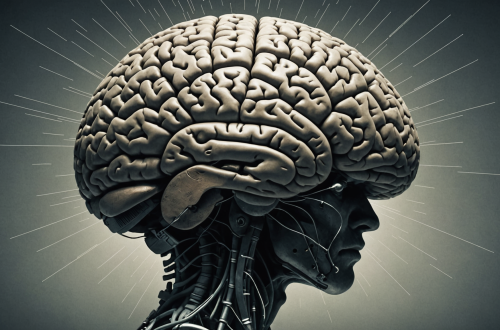
The Panic of Feeling Stuck: Using the Breath to Expand a Crowded Mind
===
The Panic of Feeling Stuck is a familiar place. It arrives when the mind feels like a browser with too many tabs open, each tab a thought, a worry, a memory. The chest tightens, the breath shortens, and suddenly the world seems to narrow. This contraction isn’t a failure—it’s the conditioned mind doing what it’s programmed to do: cling. But here’s the secret: panic isn’t the enemy. The enemy is the belief that panic defines your space. Breath, simple and primal, becomes the quiet tool to loosen that grip. It’s not about stopping thoughts; it’s about creating a gap between them. When the mind races, the breath slows. When panic surges, the breath steadies. This isn’t magic—it’s awareness. The breath isn’t a solution; it’s a reminder that you’re not the thoughts. You’re the space where they happen.
In the panic of feeling stuck, the breath acts like a buoy. It doesn’t fight the chaos; it meets it with stillness. Imagine sitting on a boat in a storm. The waves crash, the noise is deafening, but the boat doesn’t sink because it’s anchored. Similarly, when the mind clings to fear or confusion, the breath becomes the anchor. You don’t need to change the storm—you just need to sit in it without scrambling. Notice how the breath naturally deepens when you focus on it. There’s no thinking required. No judgment. Just the act of allowing the air to move in and out. This isn’t a distraction; it’s a return to the baseline of your being. The panic may still be there, but the breath creates a pocket of calm within the storm. It’s not about eliminating the panic; it’s about expanding your capacity to hold it.
The beauty of breath lies in its simplicity. It doesn’t demand skill or perfected technique. Even a shaky, uneven breath can anchor you. The key is consistency. Breathing deeply doesn’t erase the clutter of thoughts, but it changes your relationship to them. When you focus on the rise and fall of your chest or the air filling your lungs, thoughts inevitably slow. They don’t disappear—they just don’t dominate. This is where the panic begins to loosen. The mind, realizing it can’t hold you captive, starts to drift. It’s like a river narrowing around a stone; when water flows freely, the stone no longer traps the current. Similarly, when breath flows freely, the mind can’t constrict around you. The panic remains, but it no longer feels like a cage.
When the mind clings tight: Breath as an anchor in chaos
The mind’s tendency to cling is rooted in survival. It evolved to notice threats, to fixate on what feels urgent. But in modern life, this mechanism often misfires. A cluttered mind isn’t a sign of weakness—it’s a signal that you’re human. The panic of feeling stuck arises when the mind mistakes speed for productivity, or when it confuses urgency with meaning. Here, breath becomes a counterbalance. It’s not a fix; it’s a way to reconnect with what’s already there: your presence. When the mind is crowded, the breath is a way to say, This is enough. You don’t need to solve everything. You just need to breathe.
The panic often lies in the belief that stillness is impossible when thoughts race. But stillness isn’t about silence; it’s about allowing. When you notice the breath, you’re not trying to stop the thoughts. You’re creating a space where they can exist without suction. Imagine a room filled with people talking. If you focus on one voice, the others fade into background noise. Similarly, when you anchor to the breath, the mind’s noise softens. It doesn’t vanish—it just doesn’t demand your attention. This isn’t denial or suppression; it’s a shift in perspective. The panic of feeling stuck often stems from a belief that you must control the mind. Breath teaches you the opposite: you can’t control it, but you can create space for it.
Breath also reminds you that you’re not alone in this. The panic of feeling stuck is universal. It’s the mind’s way of signaling overwhelm, not your personal failing. When you breathe deeply, you tap into a shared human rhythm. Everyone breathes. Everyone gets stuck. The difference is in how you respond. By focusing on the breath, you’re not just calming yourself—you’re aligning with a universal truth. The panic may still whisper, This isn’t working, but the breath answers, It is. It’s a quiet assertion that life isn’t about perfection. It’s about presence. Even in chaos, the breath is a constant. It doesn’t ask for permission to expand your mind. It just does.
Letting the watcher breathe: Space between thoughts
The role of the Watcher is not to act but to observe. When the mind clings to panic, the Watcher remains untouched. It’s the part of you that knows the thoughts aren’t reality. The panic is a flavor of experience, not the essence of you. By letting the Watcher breathe, you create a boundary between the chaos and your core being. This isn’t about detaching; it’s about witnessing. The Watcher doesn’t judge the panic. It doesn’t argue with it. It simply notices it, like a cloud passing through the sky. This neutrality is powerful. It prevents the panic from becoming a story.
The space between thoughts is where freedom lives. When the mind is crowded, there’s no room for this space. But breath creates it. A pause between inhale and exhale is a microcosm of the space between thoughts. It’s a reminder that you don’t have to engage with every thought. Some can pass like clouds. Others can be acknowledged and released. The Watcher doesn’t need to grasp or push away. It just allows. This allowance isn’t passive. It’s an active choice to not be consumed. The panic may still be present, but the Watcher remains steady. It’s like watching a storm from a mountain peak. The storm rages below, but you’re not in it.
Letting the Watcher breathe also means embracing the silence that exists within the chaos. The panic of feeling stuck often comes with a sense of urgency—a need to fix everything right now. But the Watcher knows there’s no need to rush. Stillness isn’t delay; it’s acceptance. When you breathe as the Watcher, you’re not trying to change the storm. You’re choosing to exist in it without being uprooted. This isn’t about ignoring the panic. It’s about recognizing that your worth isn’t tied to its absence. The Watcher’s breath is a gentle reminder that you’re always here, even when the mind is loud. The panic may distort your perception, but it can’t alter the space where the Watcher dwells.
===
The Panic of Feeling Stuck is not a life sentence. It’s a signal, a call to breathe deeper. The breath isn’t a fix; it’s a bridge. It connects you to the present, to the space where thoughts pass without leaving a mark. By anchoring to the breath, you’re not escaping the chaos—you’re expanding your capacity to hold it. The panic may still be there, but it no longer defines you. The Watcher breathes, and in that breath, you find room. Room to think. Room to feel. Room to be. This isn’t about achieving stillness. It’s about returning to it, again and again. The mind will always have its moments of clutter. But with each breath, you remind yourself that you’re more than the storm. You’re the observer in the eye of it. And that is enough.